The Agony of the Cross: Jesus’ Physical Suffering and Death by Crucifixion
In the quiet shadows of the Garden of Gethsemane, under an olive-press moon, Jesus of Nazareth faced a torment that went far beyond emotional anguish. According to the Gospel accounts, “Being in agony, he prayed more earnestly. His sweat became like great drops of blood falling down on the ground” (Luke 22:44).
This rare medical phenomenon, known as hematidrosis, occurs under extreme stress: tiny blood vessels near the sweat glands rupture, mixing blood with perspiration. The skin becomes fragile and tender — setting the stage for what would follow.
The night of betrayal and arrest gave way to a series of unjust trials before Jewish and Roman authorities. Jesus was beaten, mocked, and spat upon. Then came the Roman scourging — a brutal legal preliminary to crucifixion designed to weaken the condemned before the final execution.
The Scourging: Ribbons of Bleeding Flesh
Roman soldiers used a short whip called a flagrum. Its leather thongs were embedded with sharp pieces of bone or iron balls. Stripped and tied to a post, Jesus endured repeated lashes across His back, buttocks, and legs.
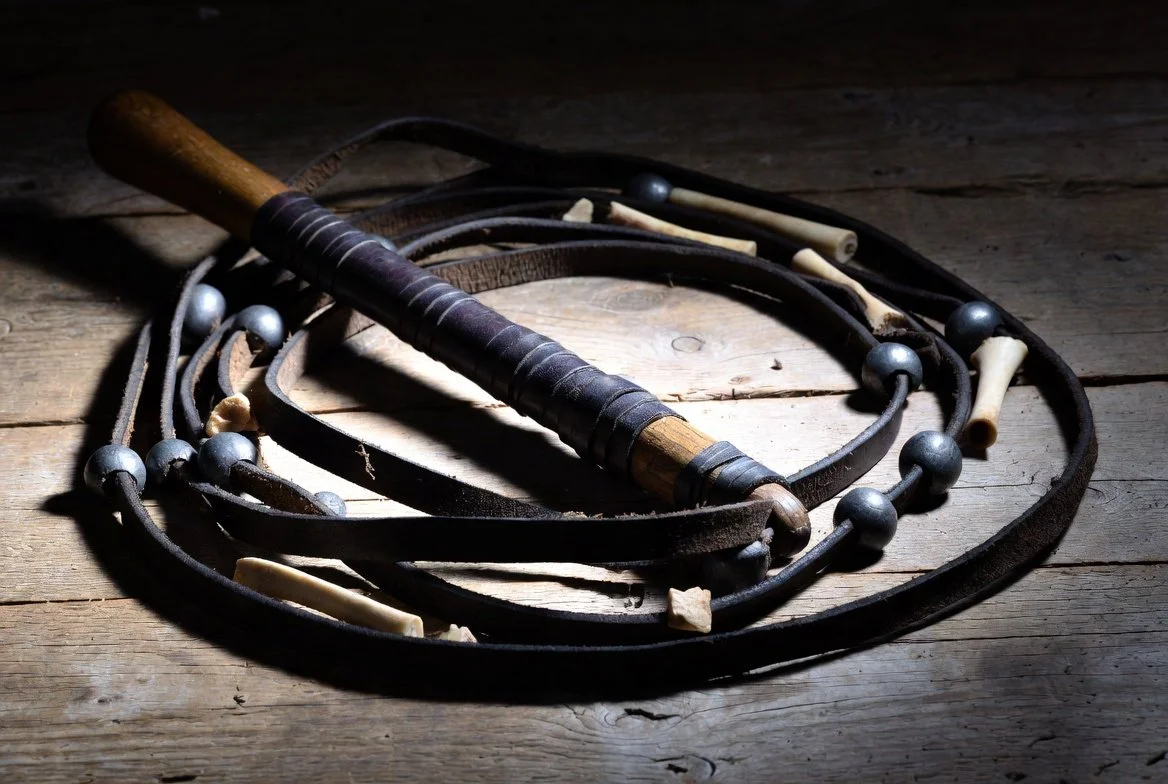
Roman flagrum
As described in the landmark 1986 Journal of the American Medical Association (JAMA) article “On the Physical Death of Jesus Christ” by physicians William D. Edwards, Wesley J. Gabel, and Floyd E. Hosmer:
“As the Roman soldiers repeatedly struck the victim’s back with full force, the iron balls would cause deep contusions, and the leather thongs and sheep bones would cut into the skin and subcutaneous tissues. Then, as the flogging continued, the lacerations would tear into the underlying skeletal muscles and produce quivering ribbons of bleeding flesh.”
The result: deep, stripelike lacerations, massive blood loss, and the onset of hypovolemic (circulatory) shock. Jesus was already in a preshock state — weakened, dehydrated, and in excruciating pain — before the cross was even in view. This matches detailed accounts in Lee Strobel’s The Case for Christ, where medical expert Dr. Alexander Metherell describes the same horrific physiology.
Pilate’s soldiers then mocked Him as “King of the Jews,” pressing a crown of thorns into His scalp and beating Him with a reed. Blood streamed down His face. They forced Him to carry the heavy horizontal crossbar (patibulum), weighing 75–125 pounds (34–57 kg), through the streets toward Golgotha.
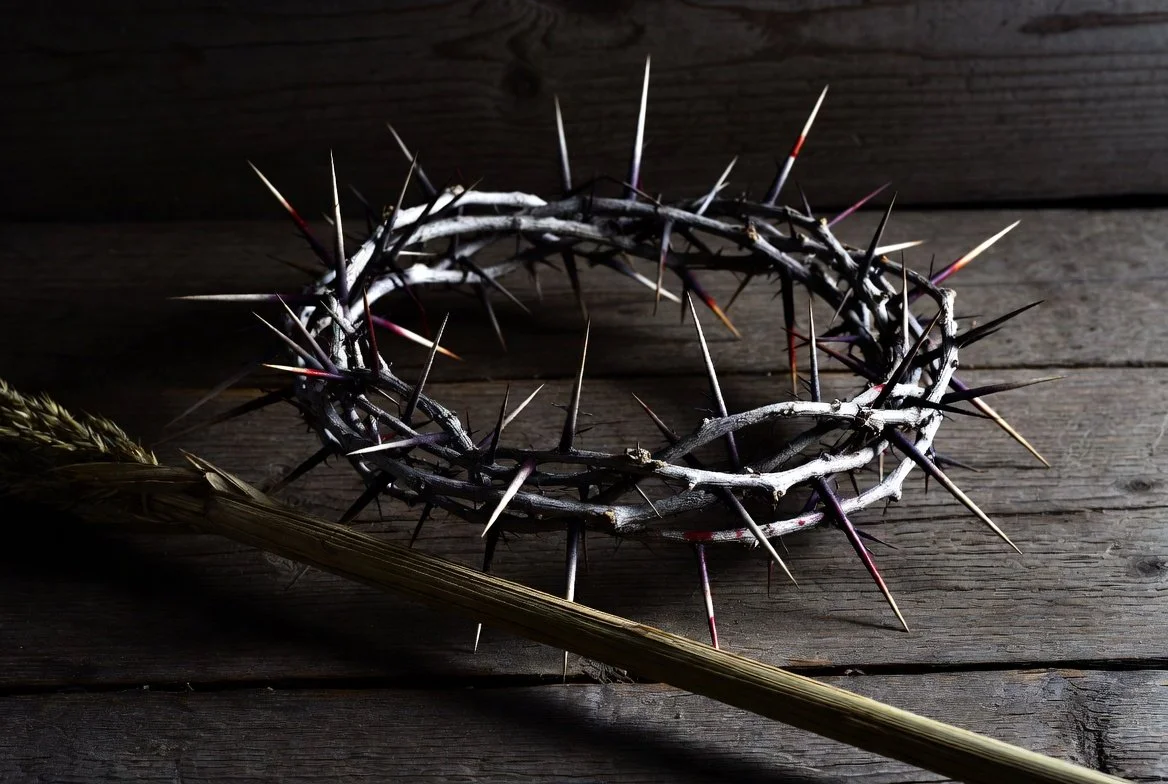
Crown of thorns and a reed
The Road to Golgotha: Collapse Under the Weight
Exhausted from blood loss and trauma, Jesus could not carry the beam the full distance (roughly one-third of a mile). Simon of Cyrene was compelled to help. Every step reopened wounds, jarred broken tissues, and intensified the shock. By the time He reached the execution site, His body was failing.
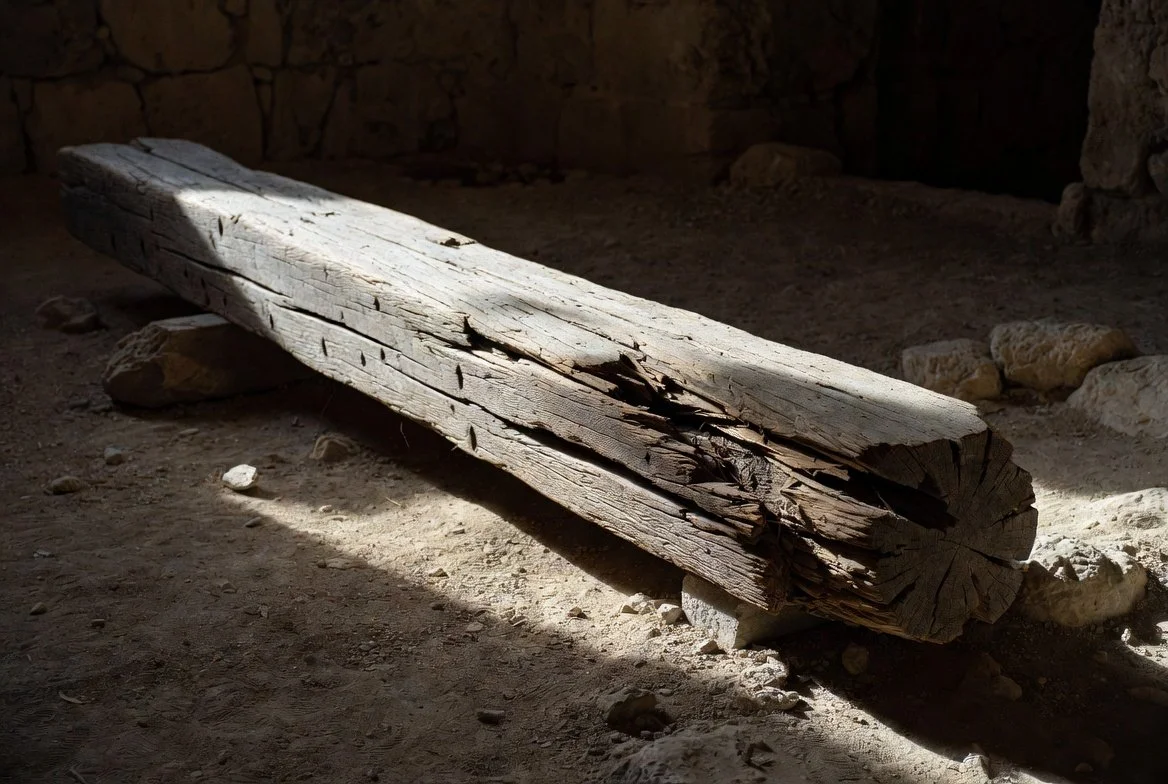
Patibulum
Nailing and the Agony of the Cross
At Golgotha (“Place of a Skull”), soldiers laid Jesus on the ground and drove iron spikes through His wrists — not the palms, as often depicted in art. The spikes crushed or severed the median nerve, sending “excruciating bolts of fiery pain” through His arms, according to medical analysis in the JAMA article. His feet were nailed through the bones, injuring nerves and causing further torment.
The cross was raised. Jesus hung suspended by His wrists and feet. The JAMA authors explain the primary physiological horror:
“The major pathophysiologic effect of crucifixion was a marked interference with normal respirations… The weight of the body, pulling down on the outstretched arms and shoulders, would tend to fix the intercostal muscles in an inhalation state and thereby hinder passive exhalation.”
Breathing became a deliberate, agonizing act. To exhale, Jesus had to push up on His nailed feet, scraping His lacerated back against the rough upright post (stipes). Each breath brought searing pain. Shallow breathing led to rising carbon dioxide levels (hypercarbia), muscle cramps, and eventual exhaustion asphyxia. Dehydration, stress-induced heart strain, and hypovolemic shock compounded the torment.
John MacArthur vividly captures the cumulative horror in his teaching on the wickedness of the crucifixion: dizziness, cramps, thirst, starvation, sleeplessness, traumatic fever, tetanus, lacerated veins, crushed tendons throbbing with incessant anguish, and an intolerable burning thirst.
For hours — likely three to six — Jesus endured this. He spoke seven times from the cross, including the agonizing cry, “My God, my God, why have you forsaken me?” (Matthew 27:46), reflecting the depth of His suffering as He bore the wrath of God for sin (echoed in Isaiah 53).
Robby Gallaty has highlighted the precise divine timing: Jesus was nailed at the third hour (9 AM) and died at the ninth hour (3 PM), aligning perfectly with the Passover lamb sacrifices in the Temple — fulfilling the picture of the ultimate sacrificial Lamb.
The Spear and Confirmation of Death
To ensure death before the Sabbath, a soldier thrust a spear into Jesus’ side. Blood and water flowed out — medically consistent with pericardial and pleural fluid accumulation from heart strain and asphyxiation, plus blood from cardiac injury. The JAMA article concludes:
“Death resulted primarily from hypovolemic shock and exhaustion asphyxia. Jesus’ death was ensured by the thrust of a soldier’s spear into his side. Modern medical interpretation of the historical evidence indicates that Jesus was dead when taken down from the cross.”
This aligns with Strobel’s expert analysis and historical consensus affirmed by apologists like Wes Huff.
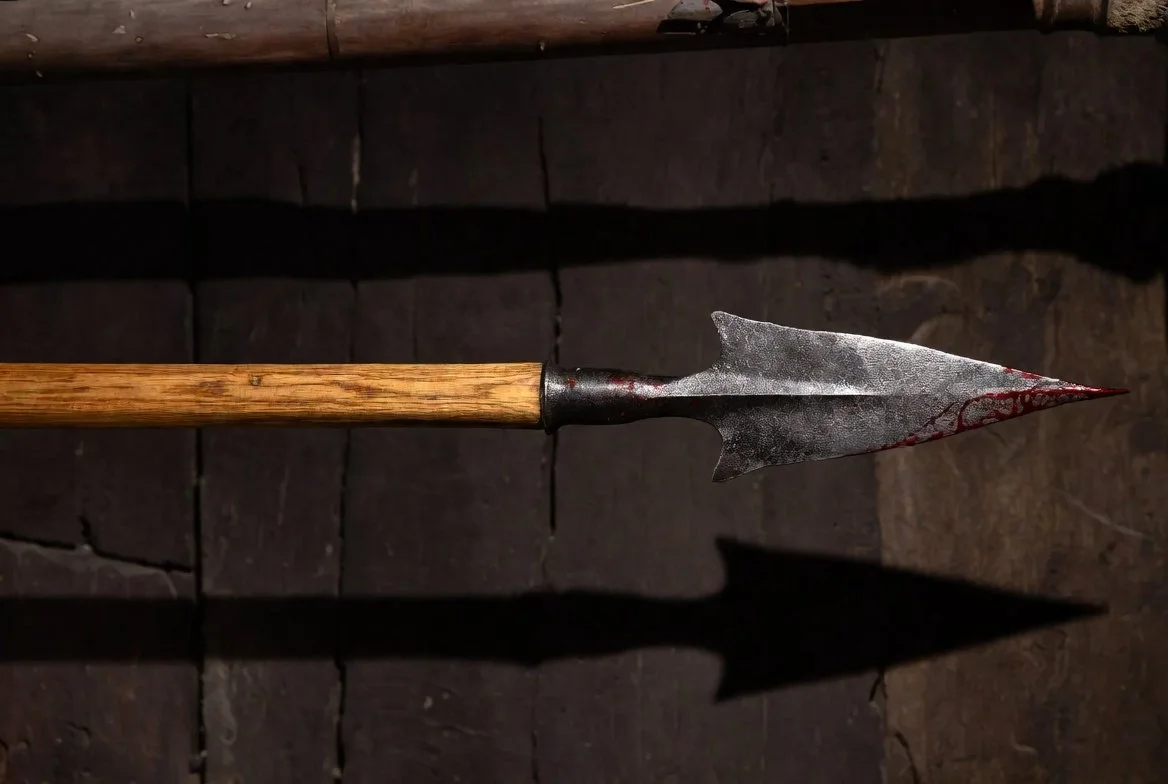
Soldier’s spear
The Deeper Meaning
Martin Luther, the German Reformer, saw profound hope in this suffering: Christ’s holy touch consecrated and hallowed all suffering, even death itself. What was cursed became a blessing; shame became glory. Christian suffering is nobler because Christ Himself suffered and made it holy.
John MacArthur, Ken Ham, and others remind us that in a fallen world of real physical death and suffering, the cross is the answer — God entering our pain to defeat it. Charlie Kirk often proclaimed the victory: “Jesus defeated death so you can live.”
Jesus did not merely suffer physically — He willingly endured the full wrath of God against sin so that we might be forgiven and reconciled to the Father. The One who sweat blood, bore the scourge, carried the cross, and gasped for breath on Calvary is the same One who rose victorious.
As you reflect on this vivid account drawn from Scripture, the 1986 JAMA medical analysis, and insights from faithful teachers, may it deepen your awe at the cost of our redemption and your love for the Savior who endured it all.
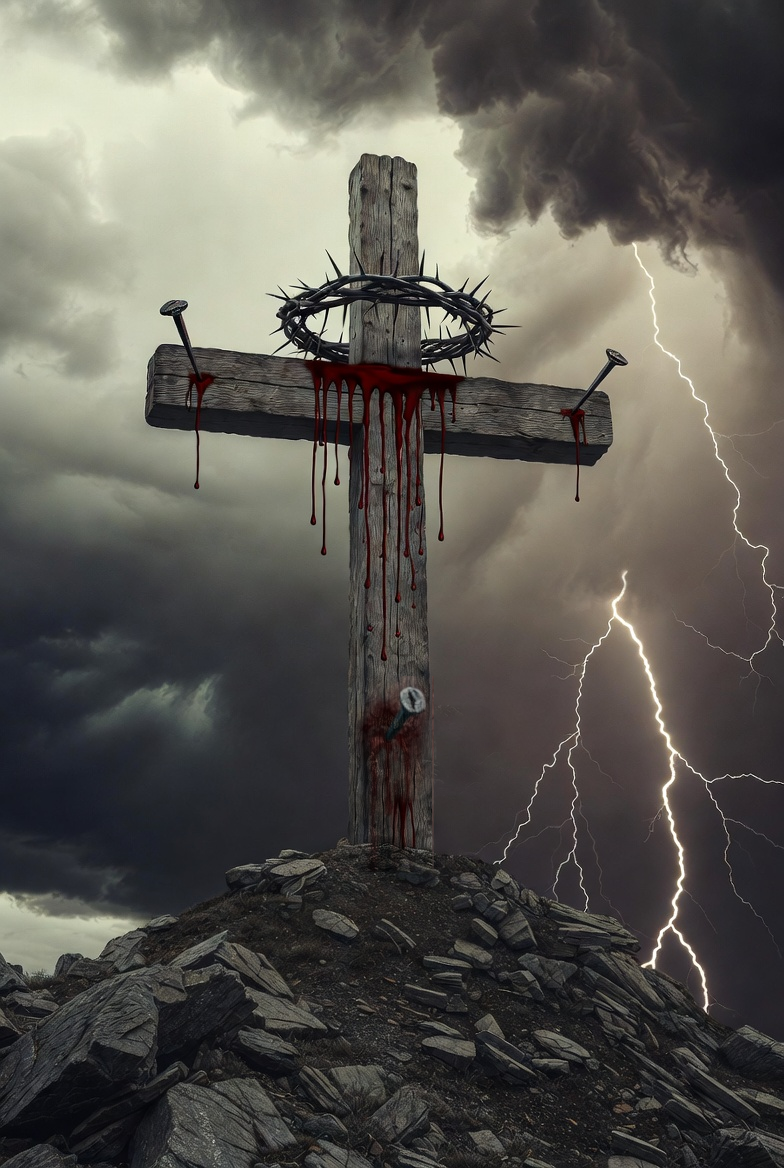
At the Place of a Skull
“But he was pierced for our transgressions. He was crushed for our iniquities. The punishment that brought our peace was on him; and by his wounds we are healed.” - Isaiah 53:5
Additional Resources & Further Reading
Want to go deeper into the historical, medical, and theological realities of Jesus’ suffering and crucifixion? Here are trusted, high-quality resources:
Previous Blog Post: Why Did Jesus Have to Suffer & Die?
Primary Medical & Historical Sources
Title: “On the Physical Death of Jesus Christ” – The landmark 1986 JAMA article
Authors: William D. Edwards, MD; Wesley J. Gabel, MDiv; Floyd E. Hosmer, MS, AMI
Published: JAMA (Journal of the American Medical Association), March 21, 1986; 255(11):1455-1463.
Direct link: “On the Physical Death of Jesus Christ” on the JAMA site(it may require a subscription or institutional access for the complete PDF, but the abstract is freely available). You can also find the PubMed entry here or read the full article (PDF) hereLee Strobel – The Case for Christ Documentary - Lee Strobel's blockbuster bestseller comes alive on your screen in this documentary that chronicles the reporter's journey from atheism to faith.
Apologetics & Historical Teaching
Wes Huff – Historian & Apologist
Wes Huff (Christian apologist and historian) frequently addresses the historicity and physical reality of Jesus’ crucifixion and death. He emphasizes that Jesus’ death is one of the most certain facts of history.Podcast discussion on Jesus’ death, resurrection, and why survival of crucifixion was impossible: Wesley Huff Gives Historical Take on The Death and Resurrection of Jesus
YouTube: The Facts Confirm Jesus’ Resurrection (covers the crucifixion account and certainty of death).
Additional context: Huff’s website and socials (wesleyhuff.com) often feature content on historical Jesus; search his name + “crucifixion” for more clips.
In-Depth Sermons
John MacArthur (Grace to You) The Wickedness of the Crucifixion, Part 1
Folsom Bible Church Isaiah 53: “The Father Crushed the Son”
Ken Ham – Answers in Genesis:
Josh Howerton – Jesus Rose From The Dead (Powerful Passion Week / Easter sermon covering the cross)